

PRP Hair Restoration
Platelet rich plasma hair restoration treats several types of hair loss by relying on the growth factors in your platelets.
Support healthier, fuller hair with your body’s healing power.
Hair thinning can affect both men and women, often impacting confidence long before hair loss becomes severe. Platelet-rich plasma (PRP) hair restoration uses concentrated growth factors from your own blood to stimulate hair follicles, support healthier hair growth, and help slow the progression of certain types of hair loss.
At Steele Dermatology, Dr. Johnson carefully evaluates the cause of your hair thinning and develops a personalized treatment plan designed to maximize your results while preserving long-term scalp health.
PRP Hair Restoration, at a glance
Your visit starts with a consultation — not a recommendation list — and the plan is built from there. Here’s what to expect and how this treatment works.
Procedure Time
45 min.
Perfect for
- Thinning hair
- Male and female pattern hair loss
- Alopecia areata
Recovery Time
For 3 days: No flying, no intense workouts


PRP Hair Restoration FAQs
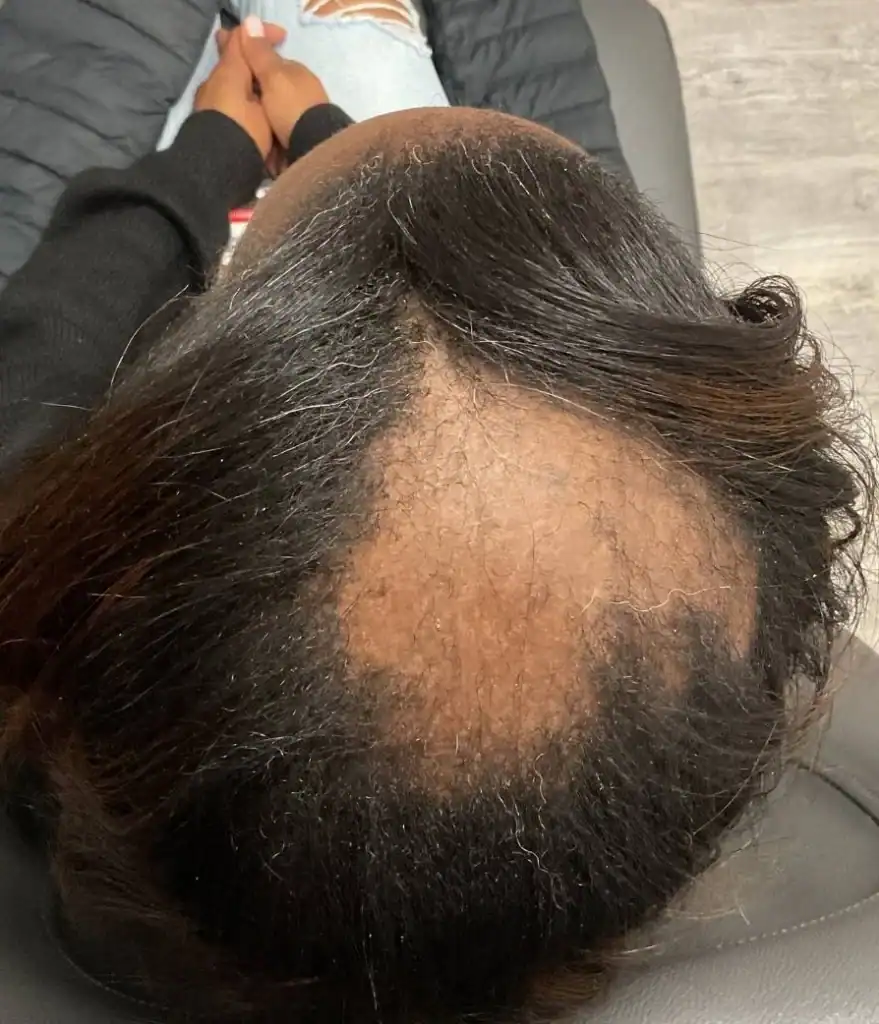
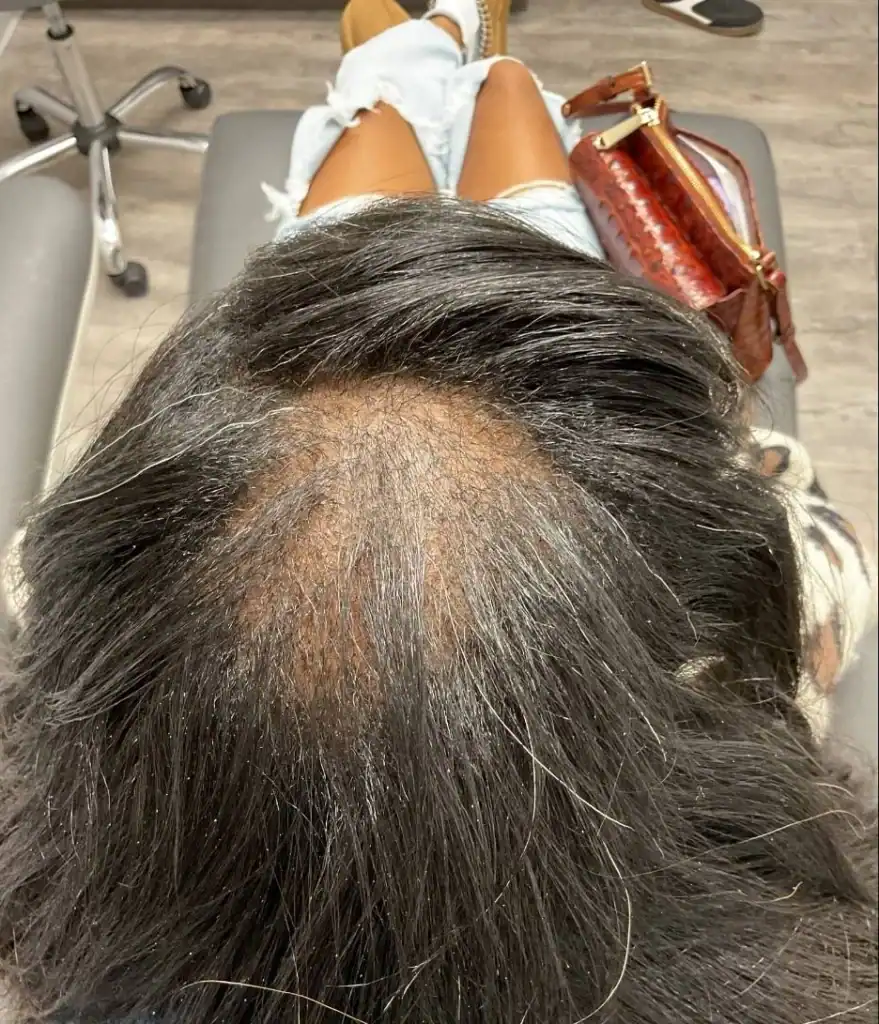
PRP works best by strengthening existing hair follicles, improving hair thickness, and slowing ongoing hair loss. Results vary from person to person, and treatment is generally most effective before significant follicle loss has occurred.
Hair responds well to PRP. Older hair follicles that have stopped growing hair will start growing hair after treatment, and hairs will become longer and thicker in response to treatment. At Steele Dermatology, we use ACell, which is an extracellular matrix, in conjunction with the PRP. Consider ACell to be the building blocks of the hair follicles/hairs and the PRP is the signaling that says “Grow hair.” We get a better and more long-lasting response using these products together.
The first part of treatment is drawing your blood, just like you would have for lab work. Once the blood is in a tube we place the tube into a centrifuge to separate out the platelets into a concentrated serum. The serum is then transferred into smaller syringes, which we use to inject treatmet into the scalp. We also prepare the ACell, which goes into another set of syringes. While all that is being prepared, you scalp is being numbed. Once your materials are ready to be injected, we inject everything from very small needles all over the scalp where you’re experiencing hair loss.
PRP is often recommended for patients experiencing early to moderate hair thinning, including many individuals with androgenetic alopecia (male or female pattern hair loss). It may also be appropriate for some patients experiencing increased shedding after a thorough medical evaluation. Dr. Johnson will determine whether PRP is the right treatment based on the underlying cause of your hair loss.
Because PRP uses small injections into the scalp, patients may experience mild discomfort during treatment. Most people tolerate the procedure well, and treatment is completed in about an hour.
When you leave, your hair is slightly wet from the cleaning and the procedure. You can pull your hair back into a ponytail or wear a hat when you leave. You can wash your hair later that evening. Mild soreness, tenderness, or redness at the injection sites typically resolves within a day or two. Otherwise, the only real restrictions are no flying or strenuous exercise, such as weight lifting, for three days.
The first three treatments will be done in a series, one month apart. Following that initial series, we see you back in six months to see how your hair is doing. Typically, people need some sort of maintenance every 6 to 18 months depending on the rate at which you are losing hair. Other treatments (serums, vitamins, Hydrafacial Keravive treatments, etc.) are recommended to maintain your hair in between PRP treatments.
Hair growth occurs gradually. Many patients begin noticing reduced shedding within a few months, while improvements in hair thickness and density often become more noticeable three to six months after starting treatment. Results continue to develop over time.
Yes. PRP is often combined with other physician-recommended therapies, including topical or oral medications and customized hair restoration plans. Combining treatments may improve overall outcomes for appropriate patients.
Expert diagnosis. Individual care. Long-term hair health.
Not all hair loss has the same cause, which is why an accurate diagnosis is essential before beginning treatment. Dr. Johnson, a board-certified dermatologist, carefully evaluates your scalp and hair, identifies contributing factors, and develops an individualized treatment plan based on your specific condition and goals.
Whether PRP is used alone or as part of a comprehensive hair restoration program, our focus is on helping you achieve healthier, fuller-looking hair through evidence-based dermatologic care.

Request an appointment
Schedule online, call (770) 464-6000 or text us, and one of our specialists will assist you.
