

Acne
Acne is the most common skin conditions in the U.S., but it's often treated incorrectly. Our approach starts with a diagnosis tailored to you.
A condition with many causes — and many cures.
Acne can be hormonal, microbial, mechanical, dietary, or all of the above. Adult acne behaves differently from teenage acne and rarely responds to the same regimen. At Steele Dermatology we treat acne as a medical diagnosis first, pulling labs when indicated,
examining the skin under magnification, and matching treatment to the type of breakouts you actually have.
For active acne we use a combination of prescription topicals, oral medications (including clear-skin staples and newer hormonal options), in-office extractions, blue-light therapy, and chemical peels. For acne scars we use microneedling, fractional resurfacing, subcision, dermal fillers, and a layered protocol designed to flatten and re-pigment scarred skin over six to 12 months.
Why patients choose Steele for acne treatment
- Diagnosis first. Hormonal acne, fungal folliculitis, and rosacea are commonly mistaken for one another. We see all three every week.
- No upsells. Most acne can be managed with two or three prescription products plus a sensible daily routine.
- An aesthetic eye for scar treatment. Texture, post-inflammatory pigment, and erythema are treated as a single problem, not three separate ones.
Acne treatment, at a glance.
Effective acne treatment is never one-size-fits-all. Your treatment plan starts with an exam — not a recommendation list — and is built from there. Your care plan depends on the type and severity of your acne, your skin type, and whether you’re experiencing scarring or discoloration.
Here are some treatment options we may recommend.
Topical Medications
Prescription creams, gels, and lotions can help unclog pores, reduce inflammation, and prevent new blemishes. Your treatment may include retinoids, benzoyl peroxide, topical antibiotics, azelaic acid, or other medications that Dr. Johnson recommends.
Oral Medications
For moderate to severe acne, oral medications may be recommended. Depending on your needs, treatment may include antibiotics, hormonal therapy, or isotretinoin for more persistent or severe cases
Acne Scar Treatments
Once active acne is under control, acne scar treatments such as laser skin resurfacing and microneedling can help improve the appearance of acne scars and create smoother-looking skin.
Discoloration Treatment
Dark spots and redness can remain after acne heals. Prescription topical medications, chemical peels, and laser treatments may help improve uneven skin tone and restore a more even complexion.
Skincare Guidance
The right skin care routine supports successful acne treatment. We can recommend cleansers, moisturizers, sunscreens, and other products that help protect your skin while reducing irritation and future breakouts.
Schedule a Visit
Our goal is to treat active acne, minimize long-term skin changes, and help you achieve healthier, clearer skin.
Acne FAQs
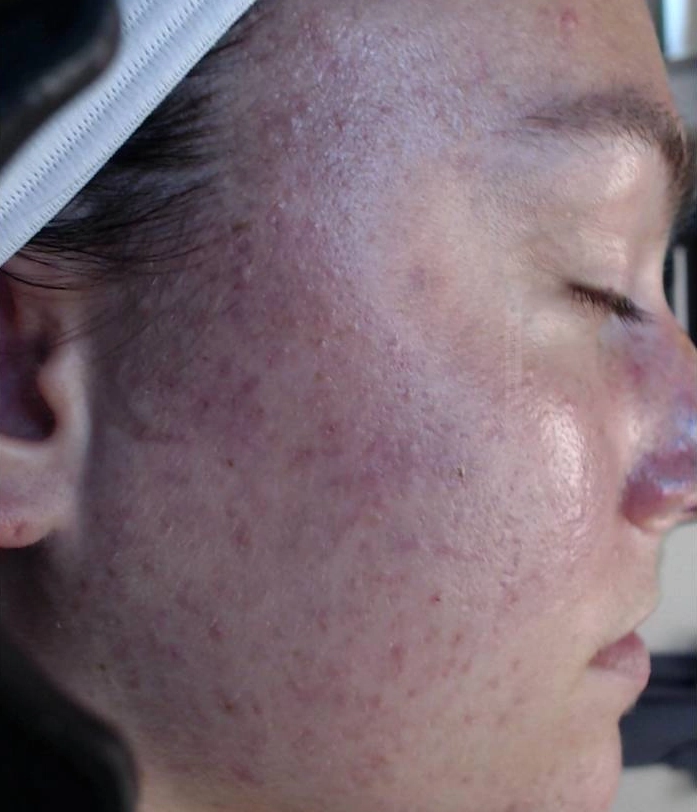
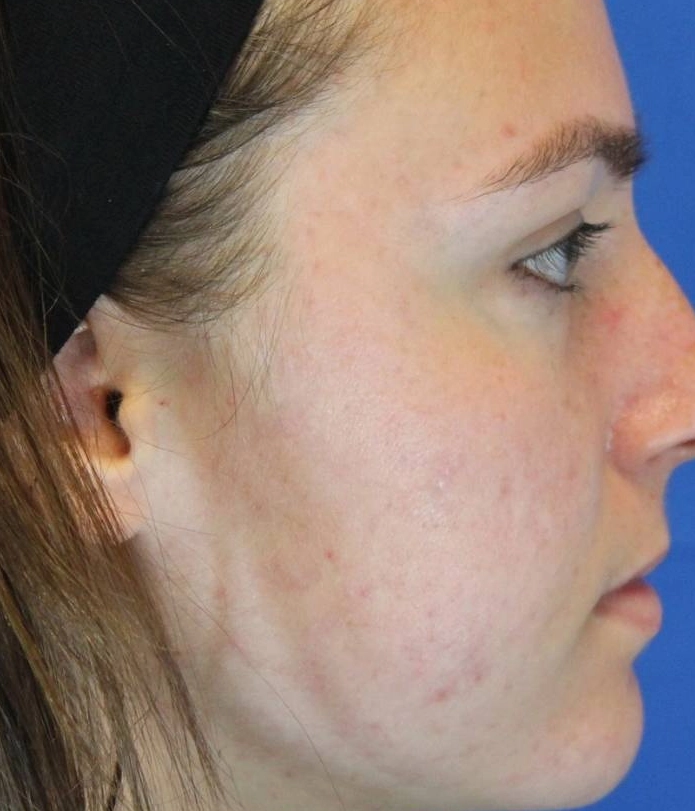
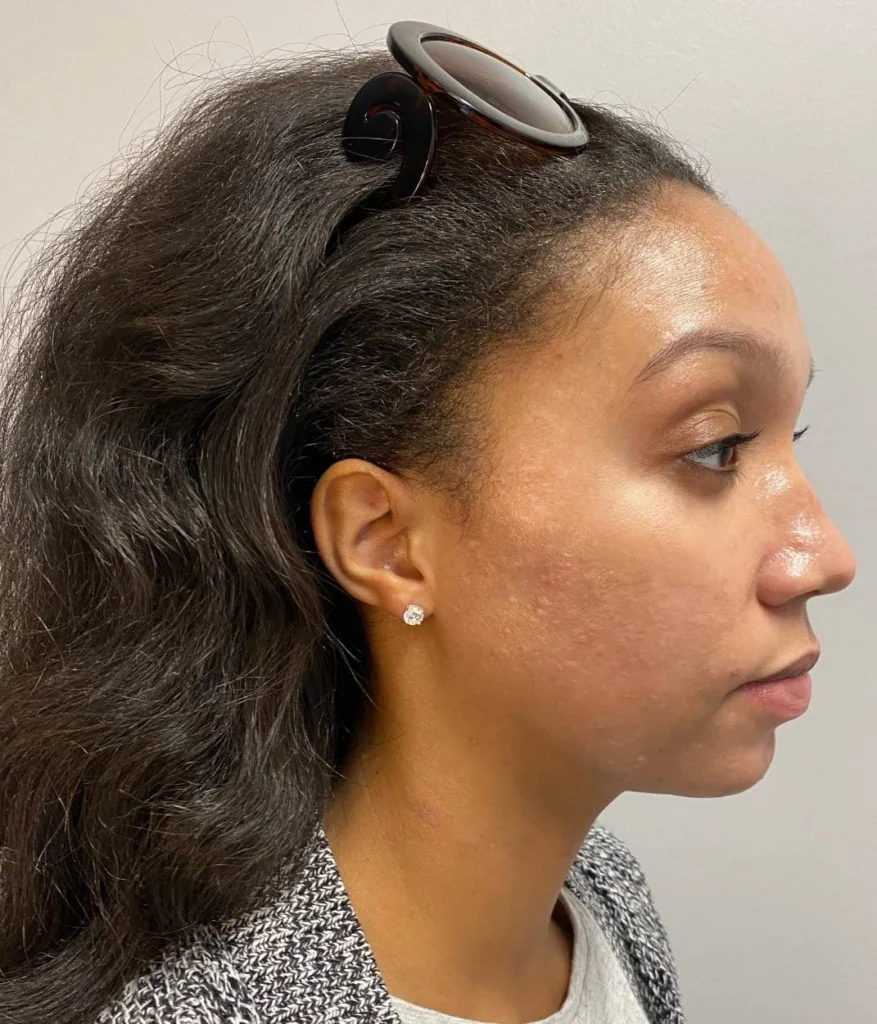
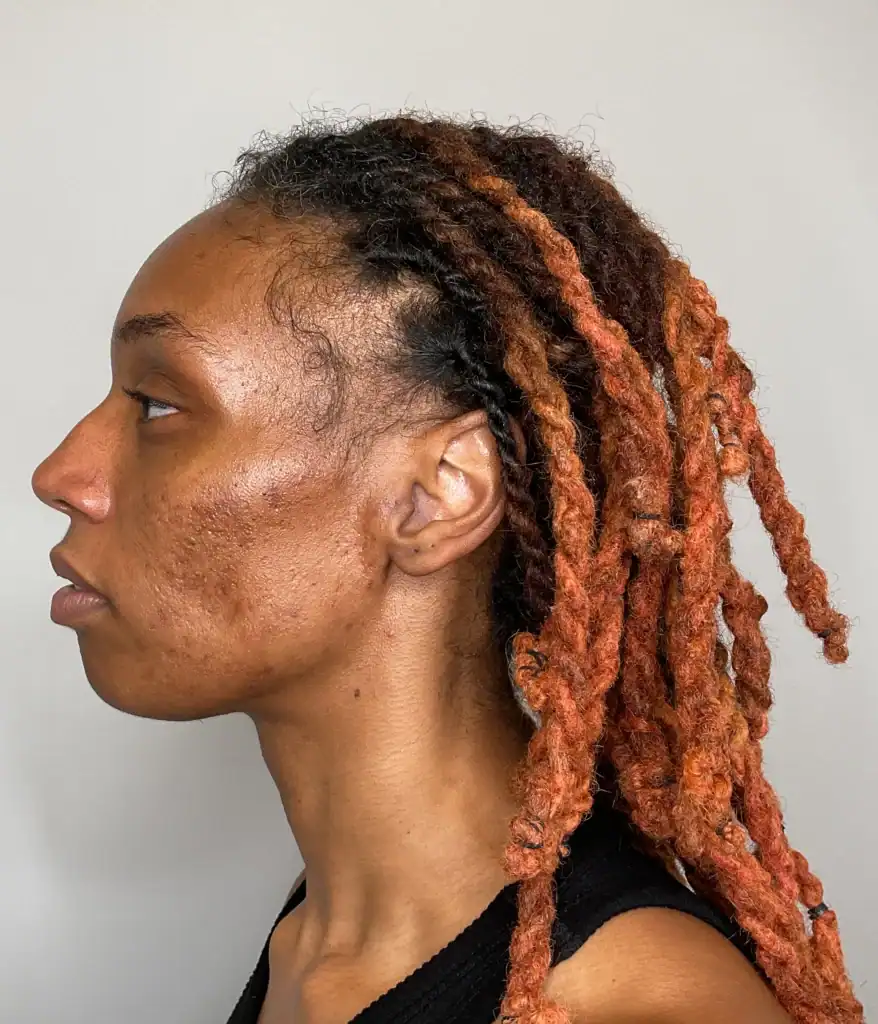
Acne is one of the most common dermatologic conditions in the world, affecting millions of people. It can present in several different ways, including bumps, pimples, whiteheads, and blackheads (otherwise known as comedones), pustules, or deep cysts Fortunately, patients have many options when it comes to treatment.
Acne can range from mild (few/minimal breakouts or infrequent breakouts) to severe (lots of lesions or frequent breakouts). Depending on the patient’s complexion, acne may leave red or brown spots/ blemishes as the lesions resolve. It may also lead to acne scars, which are little indentations in the skin where old acne bumps have healed. These scars may be either “ice pick” (deeper than wide) or “box car” (wider than deep) scars.
Almost every person experiences acne at some point in their lives. While acne is most commonly seen in teenagers (sometimes even earlier), many adults suffer from it as well — even those who did not have acne as a teenager.
To learn which treatment may be right for you, schedule an appointment with Steele Dermatology online or give us a call at (770) 464-6000.
There are many factors that cause acne, and the cause varies from person to person. Genetics plays a big role. If your parents had severe acne, then it’s likely that you’ll have it as well. Beyond genetics, other factors that can cause it include:
Hormonal changes during a woman’s menstrual cycle, during puberty and even in peri-menopause and menopause can affect it. Of note, women with a condition called Polycystic Ovarian Syndrome (PCOS) often have acne.
Similarly, stress , which is associated with another hormone, cortisol, can make it worse.
Certain cosmetics, and skin and hair products that tend to clog pores may cause or even worsen existing acne.
Certain dietary factors can cause acne to flare. Minimizing foods that cause inflammation in the body and skin can help with prevention. Dairy and high glycemic index foods (those high in carbs and/or sugar) may make it worse.
Acne usually occurs on the face , but it’s not uncommon to get acne breakouts on the neck, chest, back, or buttocks .
Sometimes the location of the bumps gives us a clue as to factors that can be causing your acne or making it worse.
Breakouts on the lower face, chin, and neck tend to be hormonal, especially in adult women.
Acne that specifically affects the upper chest, upper back, and shoulders can be linked to sports/exercise clothing or equipment. (Think sports bras and football shoulder pads.)
Breakouts along the hairline or on the forehead can be linked to hair products or to frequently wearing baseball caps or sports helmets.
Medical visits, including diagnosis and prescriptions, are filed with most major plans.
Cosmetic procedures (peels, microneedling, laser) are self-pay. Cherry and CareCredit financing options are available.
It varies by patient. Once we determine the best treatment options for your acne, we’ll be better able to answer that question.
Yes, you should come in to see us. Though you may feel uncomfortable, an active breakout is a good time to see your Steele Dermatology team because it will give us more clues about what is causing your acne and will help us determine the best treatment options.


What to expect from acne treatment
Your first acne visit takes about 30 minutes. We will:
- Discuss your history, current routine, and goals.
- Examine your skin.
- And, if appropriate, prescribe a starting regimen. Most plans are re-evaluated at week six and again at week 12.
Acne almost always gets a little worse before it gets better. We will tell you what is normal, and what is not.
Schedule a consultation at Steele today.

Request an appointment
Schedule online, call (770) 464-6000 or text us, and one of our specialists will assist you.
